
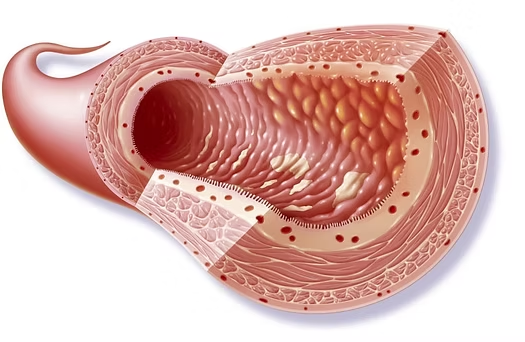
What is it?
Crohn’s disease is a chronic inflammatory bowel disease that can affect any part of the digestive tract — from the mouth to the anus. It is characterized by periods of flare-ups and remission.
Main symptoms include:
- Abdominal pain and cramps
- Diarrhea, sometimes with blood
- Weight loss, loss of appetite
- Fatigue and weakness
- Occasionally — fever and inflammatory lesions of the skin, joints, or eyes
Causes of Crohn’s disease:
The exact cause is unknown, but it is associated with:
- Genetic predisposition
- Immune system dysfunction
- Altered gut microbiota
- Environmental factors (diet, stress, smoking)
Treatment options:
- Anti-inflammatory medications (corticosteroids, immunomodulators)
- Biologic therapy to control inflammation
- Diet and lifestyle adjustments
- Surgery for complications (strictures, fistulas)
- Regular monitoring to prevent relapses
Why see a doctor?
Crohn’s disease can lead to serious complications, including bowel obstruction, bleeding, and increased risk of colorectal cancer. Timely treatment helps control symptoms, maintain quality of life, and prevent complications.
Treatment in Israel
Israeli clinics offer advanced diagnostics: high-resolution endoscopy, MRI, and capsule endoscopy. Treatment is personalized using modern therapies, including biologic treatment. Experienced gastroenterologists provide full disease management and patient support at every stage, improving outcomes and quality of life.