
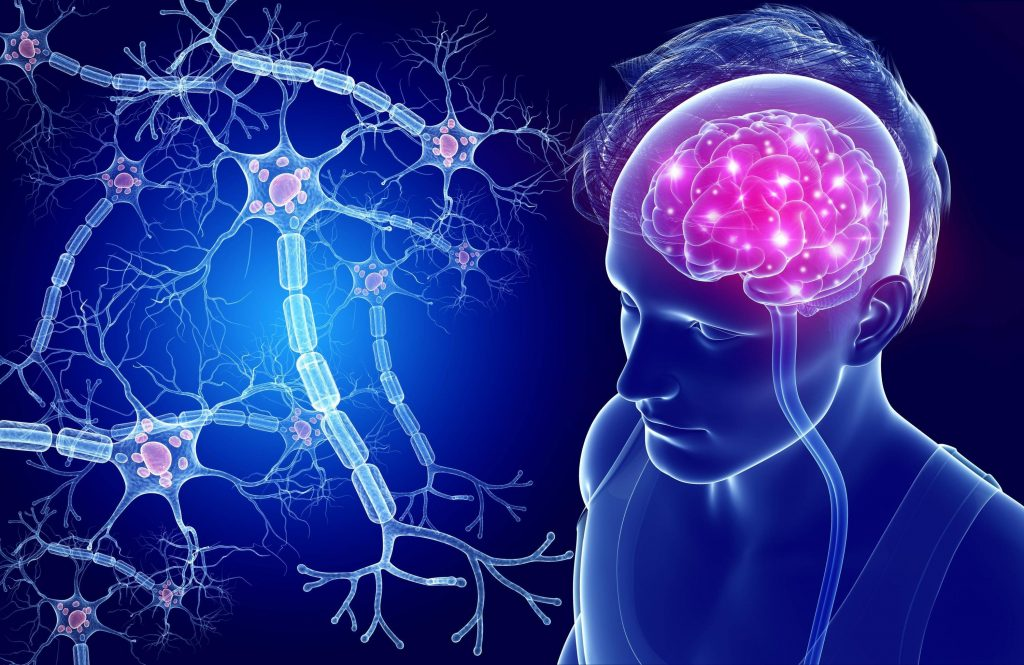
What is neuralgia?
Neuralgia is a condition characterized by sharp, burning, or shooting pain along a nerve. It occurs when the nerve is irritated or compressed and can be extremely painful.
Main symptoms include:
- Sudden, shooting pain in specific areas
- Pain triggered by movement, chewing, speaking, or even light touch
- Pain attacks that come and go
- Sometimes muscle spasms or numbness in the affected area
Common types of neuralgia:
- Trigeminal neuralgia — severe facial pain
- Intercostal neuralgia — pain in the chest area, often mistaken for heart problems
- Occipital neuralgia — pain in the back of the head and neck
Causes of neuralgia:
- Nerve compression (by a blood vessel, tumor, or herniated disc)
- Injuries
- Inflammatory conditions
- Hypothermia
- Metabolic disorders (e.g., diabetes)
Treatment options:
- Medications to relieve pain and inflammation
- Physiotherapy
- Nerve blocks
- Surgery in severe cases
- Management of underlying conditions that trigger neuralgia
Why see a doctor?
Neuralgia can significantly reduce quality of life and sometimes signals more serious health issues. Modern medicine offers effective treatments that help patients return to a pain-free life.