
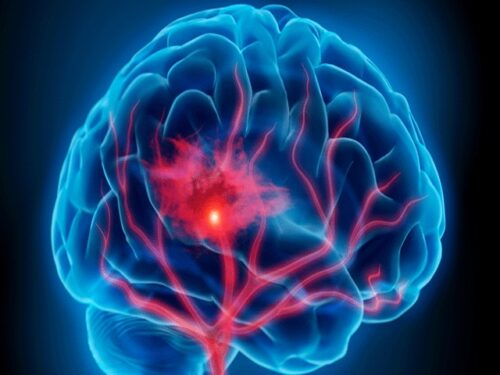
What is stroke?
A stroke is an acute disruption of blood circulation in the brain. It occurs when the blood supply to the brain is suddenly reduced or blocked, causing brain cells to die.
Main symptoms of stroke:
- Sudden weakness or numbness of the face, arm, or leg (often on one side)
- Trouble speaking or understanding speech
- Sudden vision problems
- Loss of balance, dizziness, lack of coordination
- Severe, sudden headache with no clear cause
Why is stroke dangerous?
Time is critical: the longer the brain is deprived of oxygen, the more severe the damage. Stroke can cause disability or even death.
Types of stroke:
- Ischemic stroke — blockage of a blood vessel by a clot or plaque (the most common type).
- Hemorrhagic stroke — bleeding in the brain caused by a ruptured vessel.
Treatment of stroke:
- Emergency medical care within the first hours is essential to save a life.
- Rehabilitation therapy: medications, physiotherapy, speech therapy, and long-term recovery programs.
- Lifestyle changes are vital: controlling blood pressure, avoiding smoking and alcohol, and maintaining a healthy diet.
Why see a doctor?
Stroke is not only a threat to life but also to quality of life. With timely treatment and rehabilitation, many patients can recover and return to an active lifestyle.