
What is it?
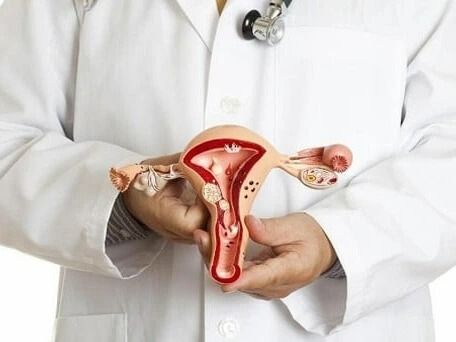
Uterine cancer is a malignant tumor that develops from the cells of the uterine lining (endometrium) or muscle layer (myometrium). It most commonly occurs in women over 50 but can also develop earlier.
Main symptoms include:
- Bleeding between menstrual periods or after menopause
- Prolonged or heavy menstrual periods
- Lower abdominal or pelvic pain
- Fatigue, weakness, weight loss
- Frequent urination or bowel issues (if cancer spreads)
Causes and risk factors:
- Age over 50
- Hormonal imbalance (high estrogen levels)
- Obesity and metabolic syndrome
- Genetic predisposition
- Chronic inflammatory processes
Treatment options:
- Surgical removal of the uterus (hysterectomy) with or without ovaries
- Radiation therapy
- Chemotherapy
- Hormonal therapy
- Supportive care and monitoring of complications
Why see a doctor?
Uterine cancer is highly treatable at early stages. Timely diagnosis allows detection of the tumor, selection of the optimal therapy plan, and significantly increases the chance of full recovery.
Treatment in Israel
Israeli clinics use advanced diagnostic methods: high-precision pelvic MRI, endoscopic visualization, and molecular tumor testing. Treatment is personalized, combining advanced surgery, radiation therapy, and hormonal therapy. Experienced gynecologic oncologists support patients throughout treatment, increasing effectiveness and reducing the risk of complications.