
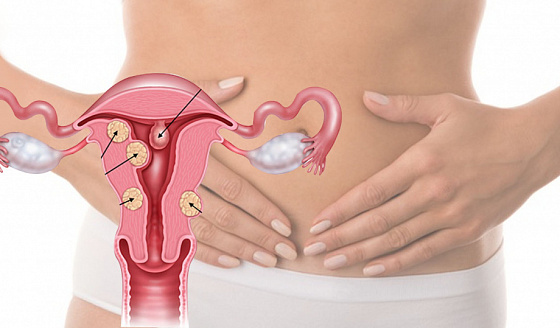
What is it?
Uterine fibroids are benign tumors in the muscular layer of the uterus (myometrium). They commonly occur in women aged 30–50 and can be single or multiple. Most fibroids grow slowly and may not cause symptoms, but sometimes they lead to discomfort and complications.
Main symptoms include:
- Heavy or painful menstrual periods
- Lower abdominal and back pain
- Frequent urination or pressure on the bladder
- Irregular menstrual cycle
- Difficulty conceiving or infertility (with large fibroids)
- Fatigue due to anemia from heavy bleeding
Causes and risk factors:
- Hormonal imbalance (excess estrogen)
- Age 30–50
- Genetic predisposition
- Obesity and metabolic disorders
Treatment options:
- Medications to regulate hormones and reduce fibroid size
- Minimally invasive procedures (laparoscopic myomectomy, uterine artery embolization)
- Surgical removal of fibroids or uterus in severe cases
- Monitoring menstrual cycle and regular follow-up
Why see a doctor?
If left untreated, fibroids can cause anemia, pain, fertility issues, and complications during pregnancy. Timely consultation allows selection of the optimal treatment method and preserves reproductive health.
Treatment in Israel
Israeli clinics use advanced diagnostics: high-resolution ultrasound, pelvic MRI, 3D sonography. Treatment is individualized, combining minimally invasive surgery, embolization, and medication. Experienced gynecologists support patients at every stage, ensuring effective treatment and minimizing risks.